


Contents
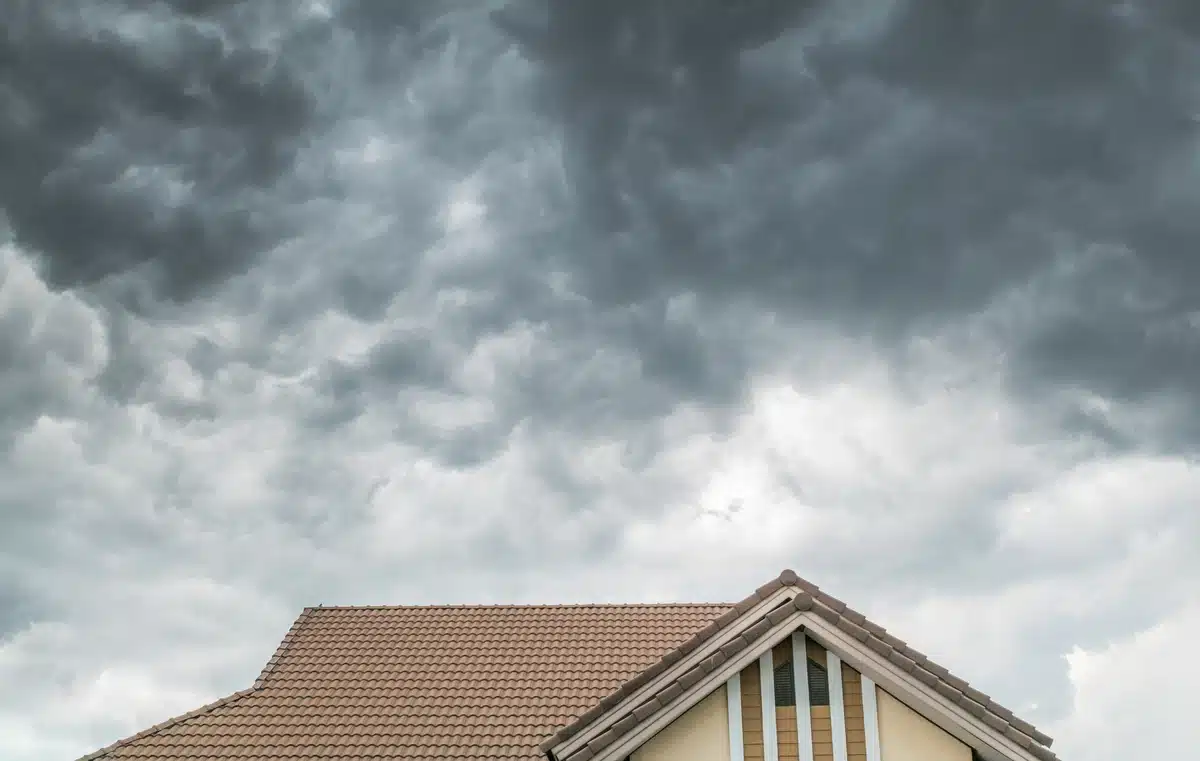
Let’s be real – storms can be brutal, and they don’t exactly send a courtesy text before wreaking havoc. One moment you’re enjoying a quiet day, and the next, you’re staring at potential storm damage on your home. But here’s the good news: knowing what to look for can save you a ton of stress (and money) down the line.
In this blog post, we’ll uncover five common signs of storm damage that every homeowner should be aware of, as well as the steps you need to take to address them effectively.
Key Takeaways
- Missing or broken shingles, dented or cracked window sills, discoloration on the roof, and damaged or loose siding are common signs of storm damage on your home that homeowners need to be aware of.
- Delaying repairs for storm damage can lead to further issues such as water infiltration, compromised insulation, and mold growth.
- Homeowners should document all damages by taking photos/videos and contact their insurance company immediately after a storm. Hiring a reputable roofing contractor is also crucial for proper repair work.
5 Common Signs of Storm Damage
Missing or Broken Shingles
Missing or broken shingles are often the first and most noticeable signs of storm damage on your home. Severe weather events, such as hailstorms or sharp winds, can cause immediate loss of shingles and lead to unsightly patches on your rooftop.
In some cases, you may find whole shingles blown off by gusts of wind scattered around your property.
If left unaddressed, missing or broken shingles have far-reaching consequences for homeowners. Water ingress can lead to leaks which can then result in significant damage throughout the interior of your home – from rotting wooden structures and ruined insulation materials, to mold growth posing potential health hazards for residents.
Moreover, neglecting maintenance during storm season could jeopardize insurance claims when it’s time for emergency repairs.
Dented or Cracked Window Sills and Casings
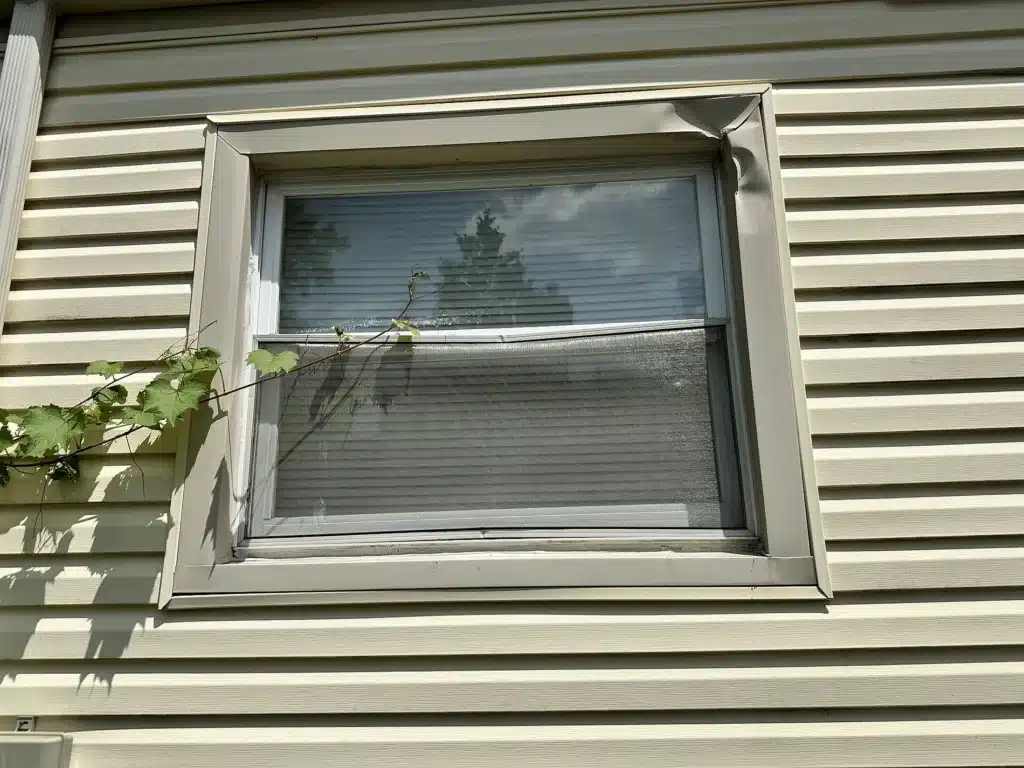
Dented or cracked window sills and casings are telltale indicators of storm damage on your home, often resulting from hail impact or strong winds. Hailstones can be particularly ruthless to your home’s exterior, causing dents and cracks on the surface of window frames, as well as tearing screens and chipping paint. These impacts aren’t merely cosmetic – they represent potential vulnerabilities in your home’s protective envelope.
When hailstones collide with window frames, the results can be surprisingly destructive. The impact can create surface-level cracks, tear window screens, and chip protective paint layers. Each of these damages incrementally reduces your window’s ability to provide effective insulation and weather protection.
Prompt attention to these issues is critical. Water stains and discoloration on interior walls and ceilings are clear indicators that your windows’ structural integrity has been breached. By proactively replacing damaged sills and casings with materials engineered to withstand extreme climate conditions, homeowners can mitigate potential long-term damage. This approach not only preserves the home’s structural resilience but also maintains property value and ensures continued comfort for residents.
Discoloration or Brown Ring-like Patches on The Roof
Discoloration or brown ring-like patches on the roof are often overlooked as simple cosmetic issues, but they can actually be a warning sign of storm damage on your home. These unsightly stains may indicate that your roofing materials have been compromised by excess water, causing mold and algae growth.
When assessing your home for storm damage, it’s crucial to be aware of these discolorations in addition to other signs like missing shingles or broken gutters. For example, after a heavy rainstorm or snowfall, you might notice more pronounced brown stains around indentations from hail impacts or tree branches scratching the surface.
In such cases where multiple indicators of damage are present, it is considered best practice to take prompt action by calling for a professional roof inspection and potentially filing a roof damage insurance claim.
Damaged or Loose Siding
One of the most visible signs of storm damage on your home is damaged or loose siding. High winds and hail can cause dents, cracks, and even dislodge pieces of siding from a house.
If left untreated, this type of damage can lead to water infiltration and further deterioration.
When it comes to repairing damaged siding, homeowners have several options depending on the severity of the damage. Minor cracks and dents can be patched up with sealant or filler compounds while more extensive damages may need sections removed entirely and replaced with new materials.
Hiring professional contractors experienced in storm damage repairs is also critical when fixing large-scale issues such as these.
What To Do Next
If you’ve noticed storm damage on your home, take action by documenting the damage, contacting your insurance company to file a claim, and hiring a reputable roofing contractor for repairs.
Document the Damage
It is essential to document the damage caused by storms to your property for insurance purposes and to provide evidence in case of disputes. Take photos and videos of damaged areas, including any wet or flooded areas, broken windows, missing shingles, dented siding, and other visible signs of storm damage.
Also, make a written description of the damages you find.
By documenting the harm caused by severe weather events like storms and hurricanes promptly, homeowners can expedite their insurance claims effectively. This process will also help detect hidden damage that may not be immediately apparent but could lead to further problems down the line if left unchecked.
After recording everything damaged accurately, it’s crucial to contact an experienced roofer or contractor who specializes in wind damage repair or hail-damaged roofs before starting on any cleanup efforts yourself.
Contact Your Insurance Company

After a storm, one of the first things you should do if your property has been damaged is to contact your insurance company. Your home insurance policy may cover any damage caused by storms, but it’s important to check with your provider to find out what exactly is covered.
When reporting a claim for storm damage on your home, be prepared to provide details such as your name and policy number.
Remember that most insurance companies will have a specific time requirement for filing claims after a storm, which means it’s essential to report any property damages as soon as possible.
Waiting too long could result in denial or delay of coverage due to exceeding this limit. Keep in mind that as homeowners, you also have responsibilities when it comes to protecting and maintaining your property against potential hazards such as storms.
Hire a Reputable Roofing Contractor
After experiencing storm damage, it’s crucial to hire a reputable roofing contractor for repairs. Hiring a licensed professional ensures that the job is done correctly and meets safety standards.
It also gives homeowners protection against any potential liability issues that may arise during the repair process. Additionally, a reputable company should be able to provide insurance coverage and a certificate of insurance upon request.
When looking for a local contractor, consider their experience with storm damage repair and ask for references from previous clients. Many contractors offer free roof inspections after a storm to assess the damage and provide an estimate for repair costs.
Conclusion
Don’t let storm damage on your home catch you off guard. Be aware of the five common signs of roof and siding damage, including missing or broken shingles, dented window sills and casings, discoloration on the roof, and damaged or loose siding.
If you notice any of these red flags after a storm, take action immediately! Document all damages by taking pictures and contact your insurance company to file a claim. Consider hiring a reputable roofing contractor for an inspection before repairs begin.
With preparation and quick response time, homeowners can minimize the impact of natural disasters on their homes. And when you need help with your roof, call the experts at SMR HomePros.